
 +44 (0)151 548 9000



A recent article by PBC Today, "Industry reacts to Andy Burnham's housing plans", highlights the broad consensus across the construction sector that achieving ambitious housing targets will require more than planning reform and investment alone. Read the full article here: Industry reacts to Andy Burnham's housing plans.
The message is clear: increasing housing supply depends on improving productivity, strengthening supply chains and embracing innovation throughout the construction process.
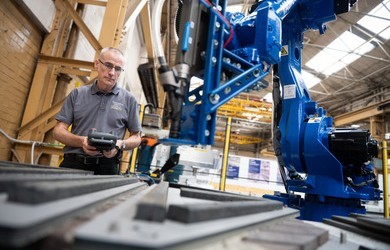
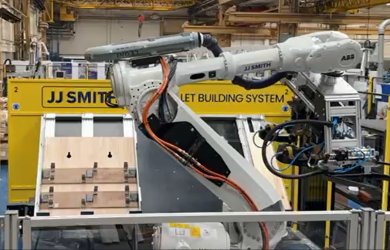
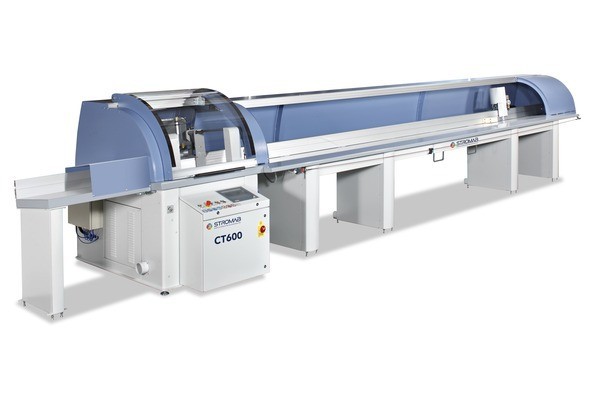
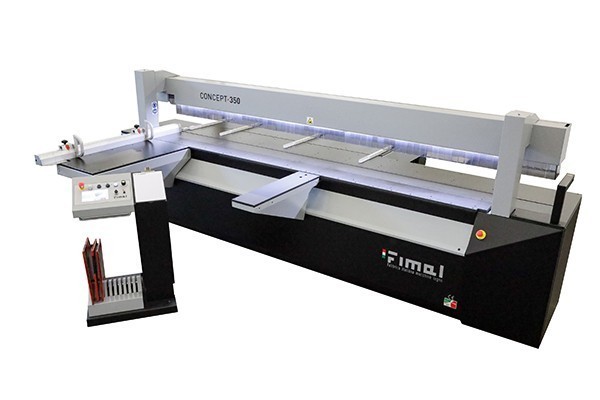
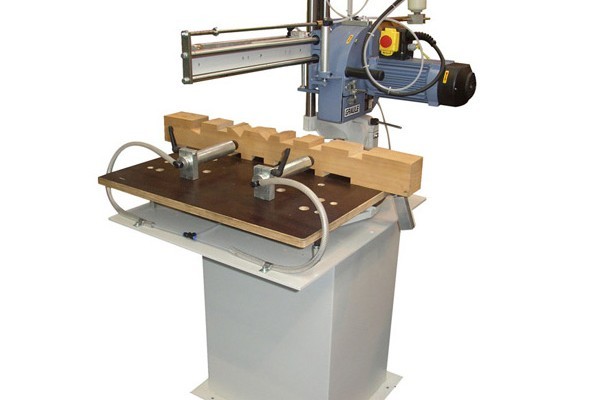
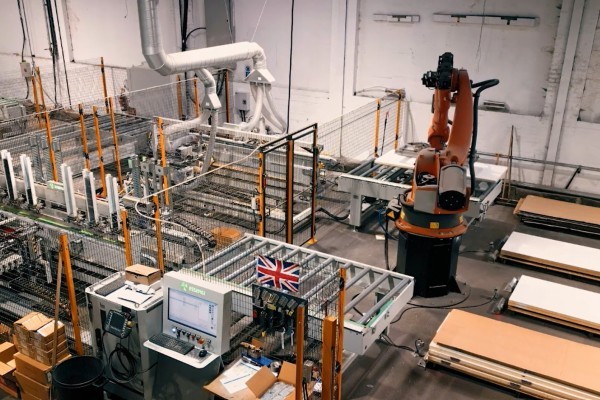
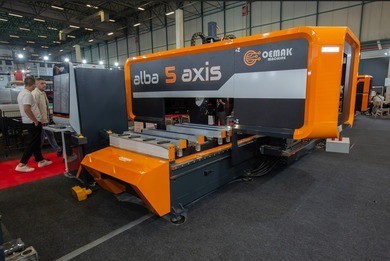
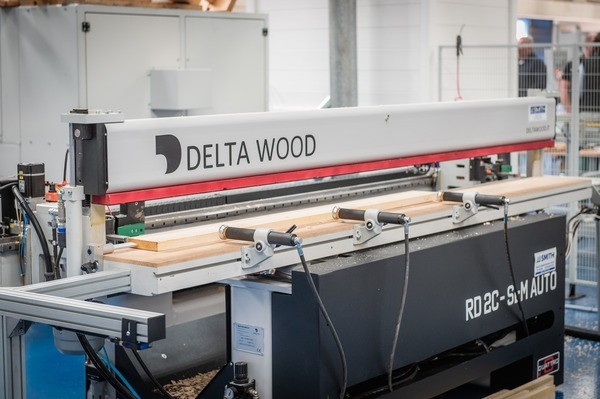
One of the most effective ways to achieve this is through investment in specialist automated house-building machinery.
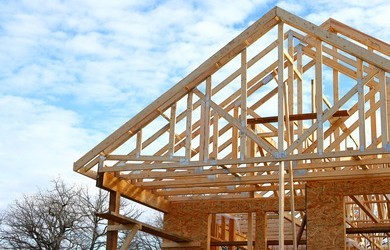
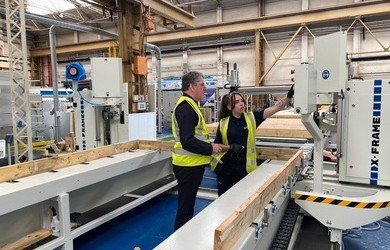
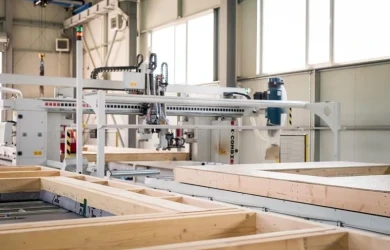
As demand for timber frame manufacturing, offsite construction and modern methods of construction (MMC) continues to grow, manufacturers are looking for technologies that enable them to increase output without compromising quality. Automated machinery allows businesses to produce structural timber components with greater speed, precision and consistency while reducing waste and improving workflow efficiency.
Automation also helps address one of the industry's biggest challenges: skills shortages. By reducing repetitive manual processes and streamlining production, specialist machinery enables experienced operators to achieve higher levels of productivity, allowing businesses to expand capacity using their existing workforce.
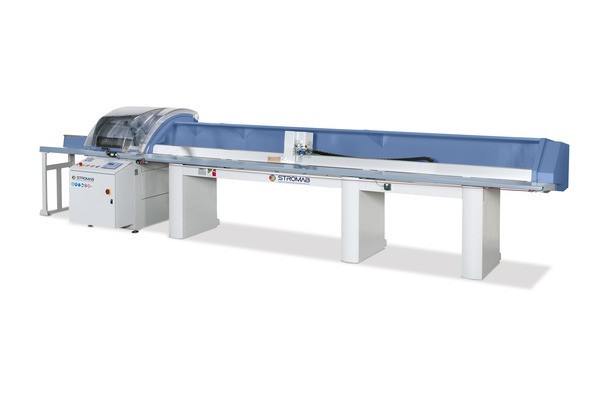
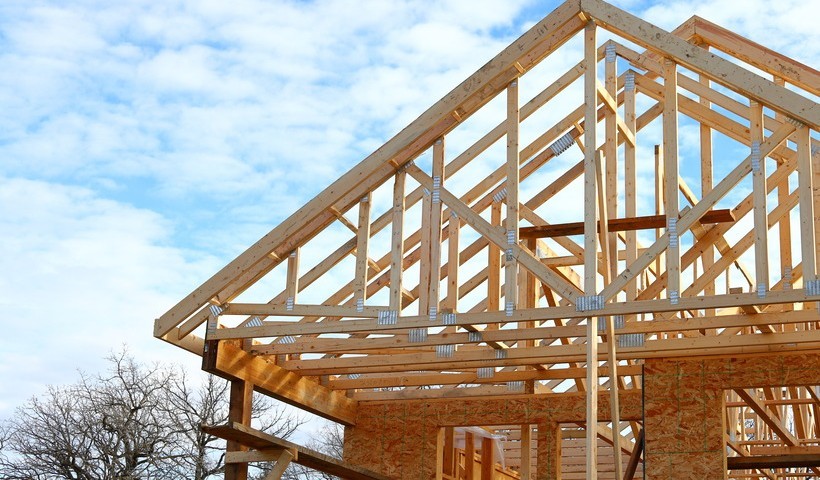
For manufacturers producing timber frame panels, roof trusses, engineered timber products and other structural building components, automated timber frame machinery and handling solutions deliver measurable benefits. Improved accuracy reduces costly rework, digital production processes enhance quality control, and faster manufacturing supports shorter project lead times – benefiting housebuilders and developers alike.
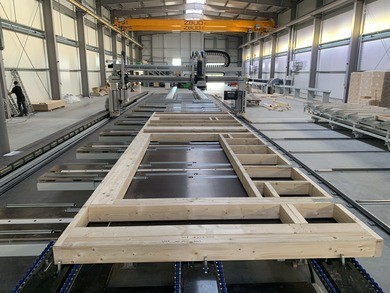
As housing targets become increasingly ambitious, investment in advanced manufacturing technology is no longer simply about improving competitiveness. It is becoming an essential part of creating a resilient, scalable construction supply chain capable of delivering the homes the UK needs.
At JJ Smith, we have seen first-hand how investment in automated timber processing machinery and house-building manufacturing equipment enables customers to improve production efficiency while supporting the wider adoption of modern methods of construction.
The conversation around housing delivery rightly focuses on policy, planning and investment. However, achieving long-term success will also depend on equipping manufacturers with the specialist automation and production technologies needed to transform housing ambition into completed homes.
To find out more about specialist automation solutions for the timber frame industry, get in touch with one of our experts.