
 +44 (0)151 548 9000

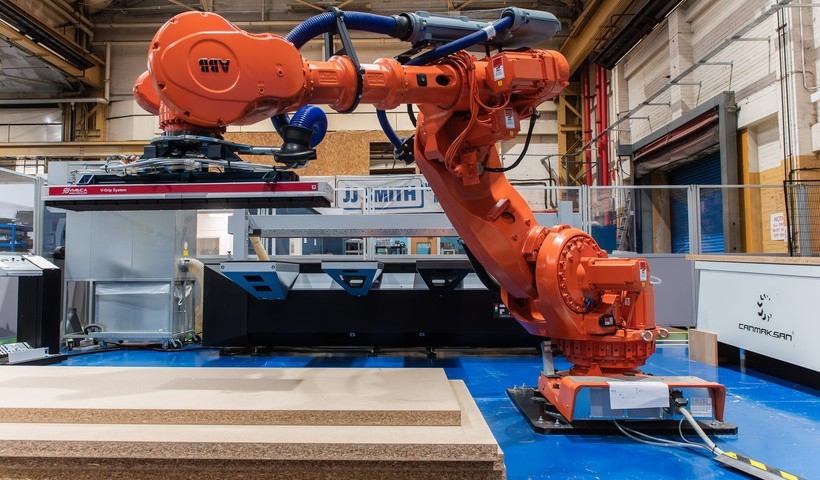


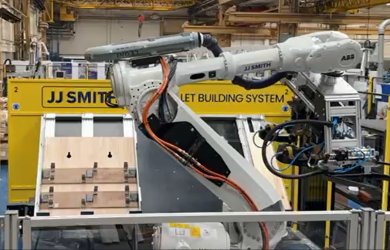
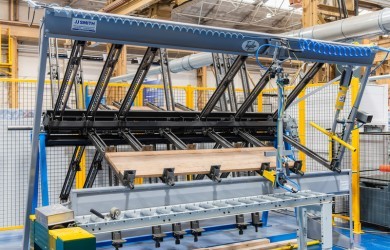
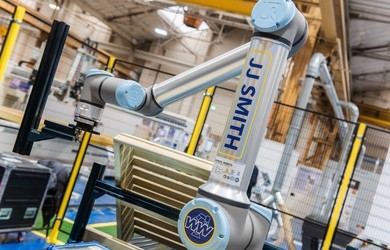
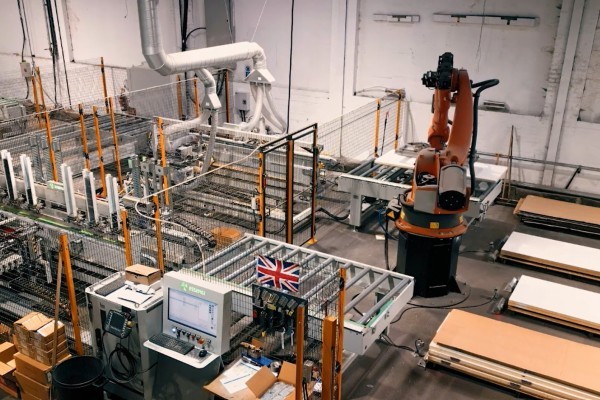
In furniture manufacturing, we are seeing growth in robotic loading and unloading of CNC machinery, automated assembly lines, robotic material stacking systems, automated sanding, and vision-guided panel handling. The addition of AI to these systems enables greater adaptability, uptime and production intelligence.
When evaluating CNC and automation investments, manufacturers should consider the following:
1. Vision-Guided Robotics and Adaptive Handling
Modern robotic systems can now use AI-driven vision to identify panel orientation, detect material variation, and adjust pick-and-place routines in real time. In furniture manufacturing, this enables flexible handling of mixed batch sizes without manual reset between jobs.
2. Predictive Maintenance
AI-driven monitoring systems can track vibration, cycle counts, motor loads and temperature across both CNC machines and robots. Rather than reacting to breakdowns, manufacturers can schedule maintenance proactively – particularly valuable in high-throughput production lines where downtime is extremely costly.
3. Data Integration
The real power of AI emerges when the entire cell – CNC machinery, robotics, handling systems, and assembly – shares production data. Manufacturers should prioritise systems capable of centralised monitoring and analytics rather than isolated machine automation. This ensures today’s investment becomes tomorrow’s intelligent production platform.
The most future-proof investments are those that combine mechanical robustness with data connectivity. AI capability is layered on top of good automation architecture, not added retrospectively to fragmented systems.
Workforce & Skills Impact: From Machine Operators to Cell Supervisors
As robotic CNC cells become more intelligent, the role of the workforce evolves significantly.
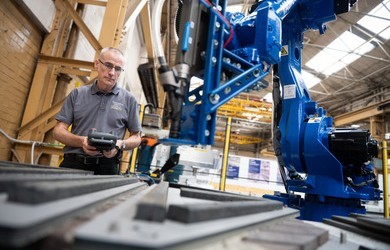
In furniture manufacturing, automation does not eliminate skilled roles – it changes them. Instead of manually loading CNC machines or assembling repetitive components, operators oversee robotic systems, monitor performance dashboards, and intervene when exceptions occur.
AI enhances this shift by:
- Providing real-time alerts when cycle times drift or anomalies are detected
- Identifying bottlenecks within robotic assembly lines
- Supporting fault diagnosis through data-driven insights
This reduces physically repetitive tasks while improving safety and consistency.
However, successful deployment depends on upskilling. Manufacturers should plan for:
- Training operators to understand robotic programming fundamentals
- Developing in-house capability to interpret production data
- Cross-training maintenance teams to work across CNC and robotic platforms
The introduction of robotics and AI also helps address labour shortages. By automating heavy or repetitive processes, businesses can redeploy skilled staff into higher-value technical and supervisory roles, improving retention and long-term operational resilience.
If you would like to find out more about how robotics and automation can work together with CNC woodworking machinery to enhance and future-proof your production, speak to an automation expert at JJ Smith on 0151 548 9000 or visit www.jjsmith.co.uk.