
 +44 (0)151 548 9000

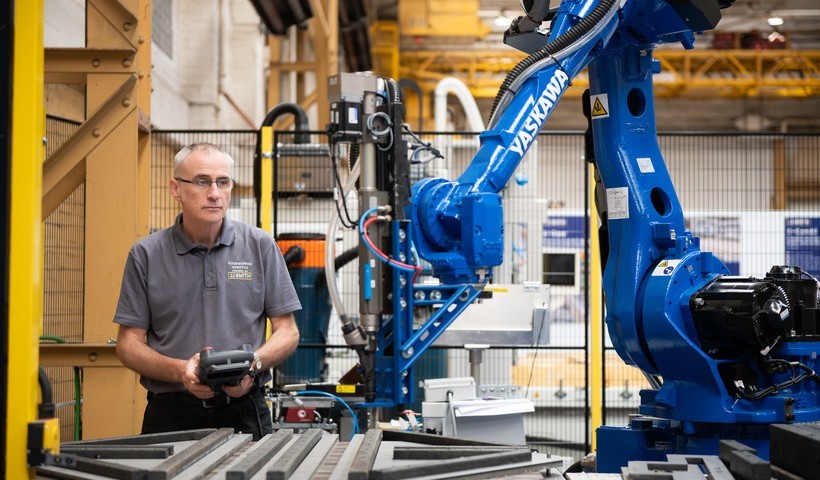


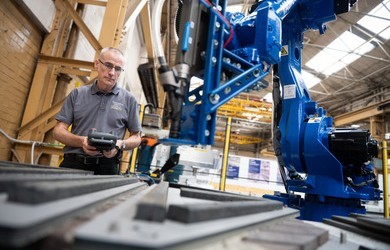
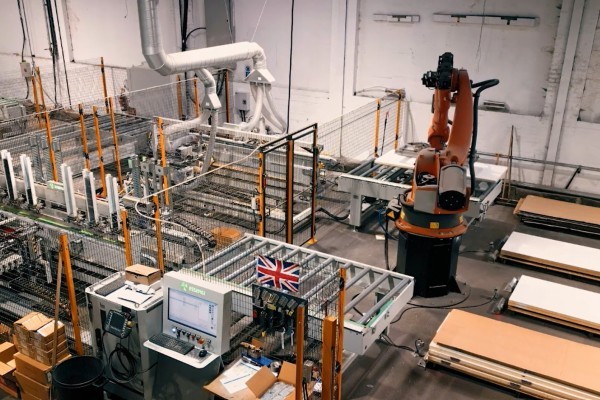
Robotics and automation are becoming essential tools for modern woodworking operations. From automated loading systems to fully integrated production cells, manufacturers are discovering how automation can increase efficiency, improve consistency, and create safer working environments.
However, integrating automation into a traditionally hands-on industry still presents unique challenges. This article explores the latest opportunities, common concerns, and practical strategies for successfully introducing robotics and automation into woodworking in 2026.
Start Small and Scale Strategically
For many woodworking businesses, adopting automation can still feel like a major leap. Concerns around investment costs, disruption to production, and workforce adaptation often slow decision-making.
The most successful companies are taking a phased approach by automating the simplest, most repetitive, or hazardous processes first, commonly known as the “3D’s”: dull, dirty, and dangerous tasks.
Typical starting points include:
- Automated material handling
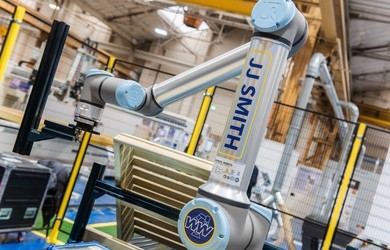
- Loading and unloading systems
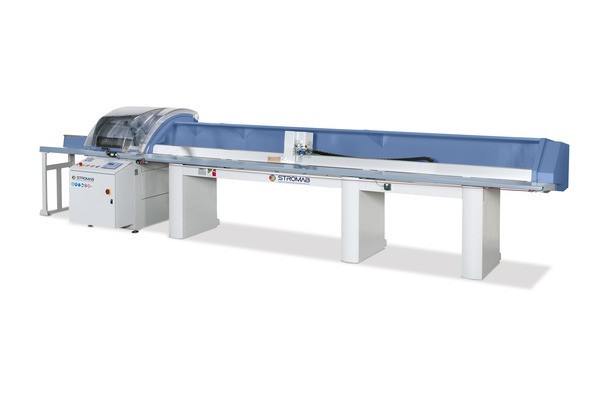
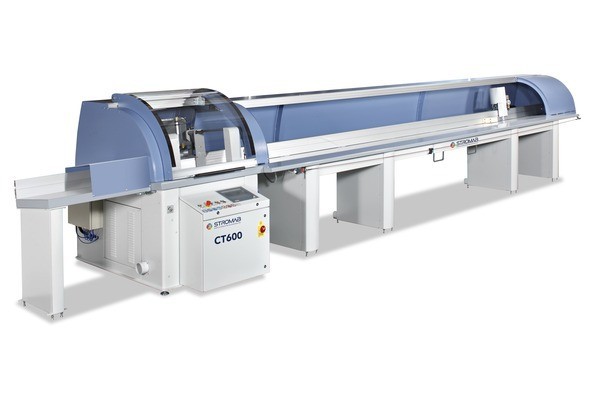
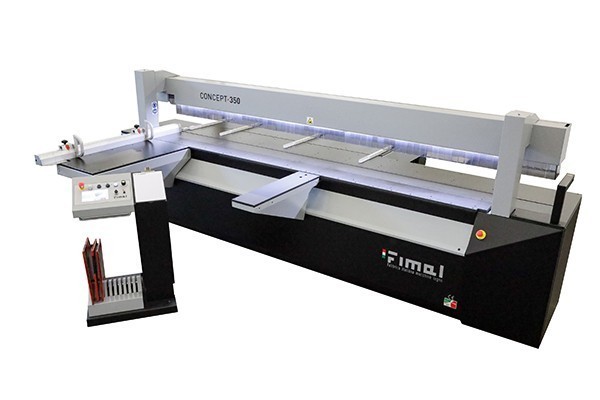
- Crosscutting and panel processing
- Robotic assembly systems
- Stacking and palletising
- Starting with targeted automation projects allows businesses to build confidence, generate measurable ROI, and scale gradually as operational needs evolve.
Balancing Automation with Skilled Workmanship
Woodworking remains an industry built on craftsmanship, creativity, and attention to detail. One of the biggest misconceptions surrounding automation is that it removes the human element from production.
In reality, automation works best when it complements skilled workers rather than replaces them. By automating repetitive tasks, businesses can free up experienced operators to focus on higher-value activities such as customisation, quality control, programming, and finishing.
Modern automation solutions are also becoming increasingly flexible, making it easier for bespoke manufacturers and batch-size-one production environments to integrate robotics without sacrificing individuality or product quality.
Overcoming Fear and Uncertainty
According to recent research, labour shortages remain one of the woodworking sector’s biggest challenges in 2026. At the same time, some employees may still fear that robotics could threaten traditional roles.
Successful automation projects rely heavily on workforce engagement and transparent communication. Businesses that involve employees early in the process often see stronger adoption and improved morale.
Automation should be positioned as a tool that:
- Improves workplace safety
- Reduces physically demanding tasks
- Enhances productivity and consistency
- Creates opportunities for upskilling
- Helps businesses remain competitive and secure long-term employment
Rather than replacing skilled workers, robotics are helping attract a new generation of workers into a more technologically advanced manufacturing environment.
Choosing the Right Automation Partner
Wood remains one of the most complex materials to automate due to its natural variations, grain structures, warping, and inconsistencies. Unlike metal or plastic manufacturing, woodworking often requires highly adaptable automation systems capable of handling variable materials and bespoke workflows.
Choosing the right automation partner is therefore critical.
Manufacturers should look for partners that understand both robotics technology and the realities of woodworking production. Experience within the woodworking sector is essential when designing solutions that integrate successfully into existing processes and factory layouts.
Demonstrating ROI and Future-Proofing Operations
Investment remains one of the biggest barriers to automation adoption. However, rising labour costs, increasing production demands, and growing pressure for efficiency are making automation more financially viable than ever before.
Businesses are increasingly focusing on automation projects that deliver measurable returns through:
- Reduced labour dependency
- Increased throughput
- Improved consistency and quality
- Reduced waste and downtime
- Enhanced workplace safety
Government-backed initiatives and manufacturing support programmes continue to help offset investment costs, making advanced automation more accessible to SMEs across the woodworking sector.
Digital simulation, 3D factory modelling, and live demonstrations are also helping manufacturers visualise the impact automation can have before implementation begins.
Experience the Future of Woodworking at the JJ Smith Automation Show
To help woodworking manufacturers explore the latest innovations firsthand, JJ Smith will host The Future of Woodworking automation show on 15–16 September 2026.
The two-day event will bring together leading technology providers, live machinery demonstrations, robotic solutions, and expert keynote speakers to showcase how automation is transforming the woodworking industry.
Visitors will be able to see a wide range of automation and robotic systems in action, including:
- Automated door production machinery
- Automated loading, unloading, and stacking systems
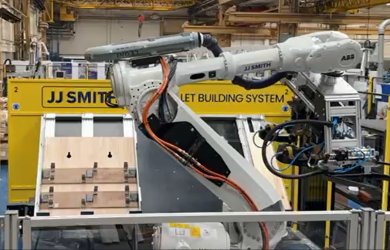
- Robotic Pallet Building System
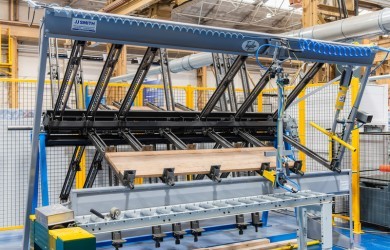
- Robotic A-Frame Cell
- Robotic Sanding Solutions
- Automatic crosscutting technology
...And more solutions to be announced
The event will provide woodworking manufacturers with practical insights into how robotics and automation can improve productivity, flexibility, and operational efficiency across a wide range of production environments.
As automation technology continues to evolve, woodworking businesses that adopt a strategic and practical approach will be best positioned to future-proof their operations, attract skilled talent, and remain competitive in an increasingly demanding global market.
Click here to register your place at the unmissable event.